The Gold Coast sunrise over Burleigh Head catches the neon of the nearby venue before the footy commentary even starts, and plenty of locals reckon that first arvo coffee is incomplete without a quick spin or two. Australia’s love of a wager is often traced to its convict and frontier past, and that same appetite now shows up on phones and laptops long before the pub doors open. When a pick-and-click feature lands on screen, the real question is not whether the symbols will align, but how the round is built, how the operator frames it, and what controls sit around it so the session stays a measured bit of entertainment rather than a drift.
What a Pick-and-Click Bonus Round Actually Does on Screen
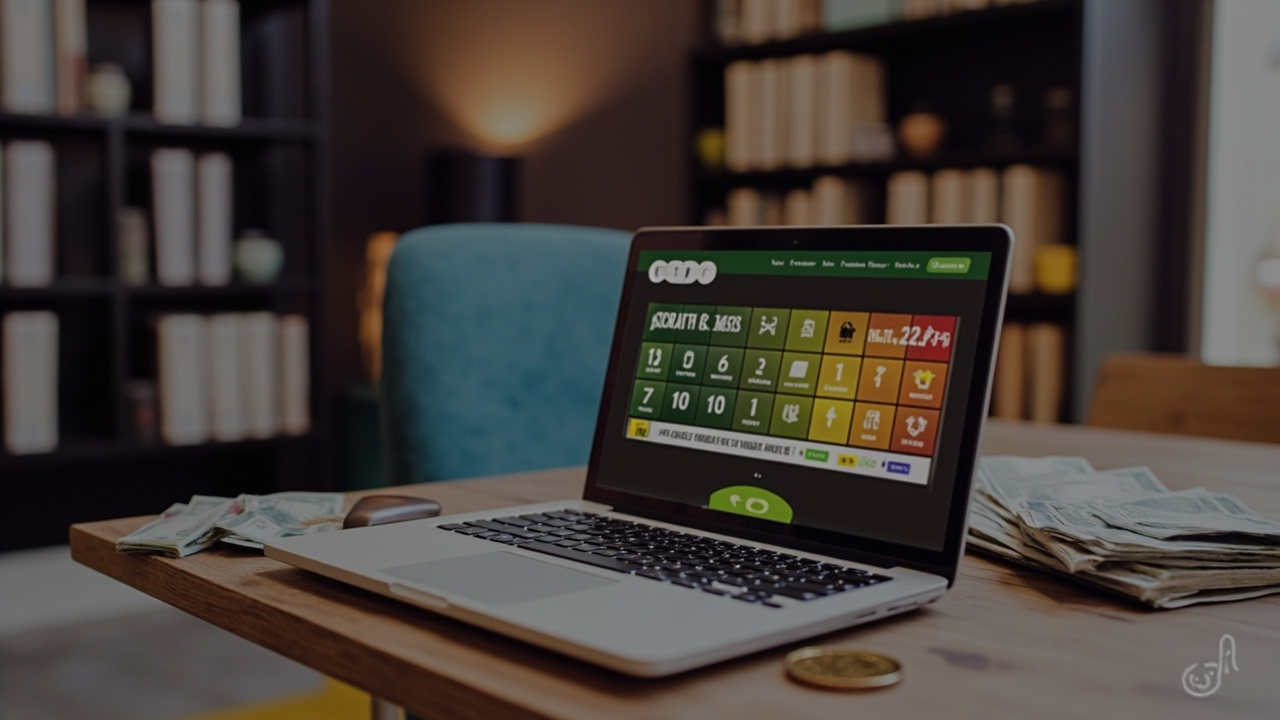
A pick-and-click bonus round is the simplest of the interactive features to read at a glance: the base game ends, a panel of hidden icons appears, and each tap reveals a prize, a multiplier, or a short detour into a second screen. From a development angle, the trick is to keep the interaction honest and legible. I’ve supervised slots where the reveal animation runs long enough to feel deliberate but short enough that the math behind the payout stays visible, and the same discipline applies here. The feature should never hide its own odds behind a maze of secondary menus; a player should see, in a single glance, what each selection can return and where the round might end. That clarity matters because the pick-and-click mechanic is attractive precisely because it gives the player a small moment of agency, and that agency only feels fair when the screen tells the truth about the outcome it is about to deliver. Bonuses for New Players and Better
Independent monitors were appointed to oversee reforms at both Crown and Star casinos, which is a reminder that operators and developers are expected to keep these features transparent and accountable, not just colourful. A well-built pick-and-click bonus keeps its rules in plain sight: how many picks remain, what each pick can award, whether a pick can trigger a multiplier or a free-spin sequence, and what happens when the round closes. Players who want to explore a venue that keeps its feature terms and account settings easy to find can complete a clubhouse casino login australia for registered users and check how the round is described before they ever commit a cent. The point is not to chase a narrative about big payouts; it is to understand the structure so the feature reads as what it is – a defined, bounded play segment with its own payout logic.
How a Session Unfolds When the Feature Triggers
When the round actually triggers, the sequence should feel like a continuation of the game rather than a detour into a different product. A clean pick-and-click flow starts with a short settle after the base game, then presents the selection grid with the remaining picks visible, the potential awards labelled, and any multiplier or extension rule stated before the first tap. I’ve seen builds where the round quietly accumulates a separate credit pool, applies a fixed multiplier to each pick, and ends with a tidy summary screen that shows what was won and what the base balance now reads; that kind of consistency is what keeps the feature understandable across sessions. The player chooses, the screen resolves, and the round closes without a second layer of hidden decisions that would muddy the outcome.
To maintain that immersion, designers should ensure the transition preserves the visual language of the core experience. Players can find further details on interface standards at clubhouse casino login australia for registered users. This approach helps keep the focus on the gameplay loop without unnecessary friction.
A practical session around this feature tends to break into a few clear moments:
- the base game runs its normal spin pattern until the trigger condition is met
- the bonus panel opens with the remaining picks and any stated award rules visible
- each selection resolves immediately so the player can see the result of that choice
- the round ends with a summary that returns the player to the base game or to a defined exit
Mandatory breaks and reality checks add protective friction, and they work best when they are built into the round itself rather than bolted on afterward. A short pause after the final pick, a clear line showing the total won, and an easy route back to the base game all help the feature stay readable. Players who prefer a mobile layout that keeps those controls close at hand will find it easier to follow the round on a smaller screen, where the picks and the summary need to fit without crowding the action. The goal is a session that feels guided, not gamified into something harder to step away from.
What to Check Before You Treat the Feature as Part of the Game
A pick-and-click bonus is only as useful as the operator’s surrounding setup, so the review focus here is on trust, support, and account controls rather than on any promise of a particular result. Licensing, security, and privacy should be easy to locate, and the support channel should be reachable without making the player hunt through a maze of help pages. A venue worth using will describe the bonus round in the same terms it uses for the rest of the game, will keep deposit and session limits visible, and will let a player adjust those controls without friction. That is the practical standard: the feature is entertaining, but the account around it is what keeps the entertainment bounded.
I’ve worked on productions across Australia, Europe, and Asia where the same feature had to behave differently depending on local expectations, payment paths, and support hours, and the lesson is consistent: a pick-and-click round should never rely on the player to infer the rules. Currency, registration flow, and loyalty messaging all need to line up with the feature description, so a player knows what currency the round settles in, how the account reflects the win, and whether any loyalty credit is treated separately. Support should be able to answer a straightforward question about how the round pays out and how the account records it, and the privacy stance should be clear about what is stored and what is not. None of this turns the feature into a sure thing; it simply makes the round a readable part of the game instead of a mystery wrapped in animation.

The feature earns its place when it is built to be understood and the operator is built to be checked. A pick-and-click bonus round is at its best when the picks are clear, the round closes cleanly, and the account controls around it let a player stay in charge of the session. That is the practical standard worth looking for before any spin, and it is the same standard that keeps a bit of weekend fun from drifting into something less measured.